






Life &
Truth
“Mankind drifts as a single, fragile spark of life within an apparent eternal ocean of time and space.
Yet we are not merely suspended, isolated, or drifting aimlessly among the countless stars; behind it all lies a hidden order, a unified law, a power too vast for words.
This power pulses at the heart of all things, shaping the universe and guiding its unfolding. Through Kabbalah, the ancient wisdom long concealed and now freely available, we glimpse the meaning behind existence and the unseen threads connecting us to the universe and to one another, revealing humanity’s origin, purpose, and place within the whole.”
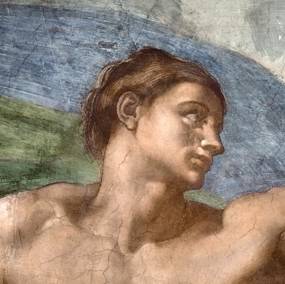
(≈6,000 years ago)
The first conscious emanation of the human soul, Adam HaRishon, within whom all humanity exists. His “sin” is the deliberate shattering of unity into egoistic fragments, setting in motion the work of correction where humanity returns to equivalence of form .
Work: Sefer Raziel HaMalach (The Book of Angel Raziel)
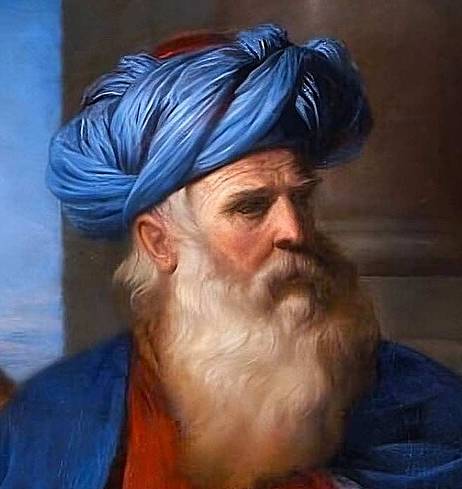
(≈4,000 years ago)
The first awakening to the Creator as (loving-kindness and a shift from egoistic perception to unity with the single governing force. He begins the correction of the collective soul of Adam HaRishon.
Work: Sefer Yetzirah
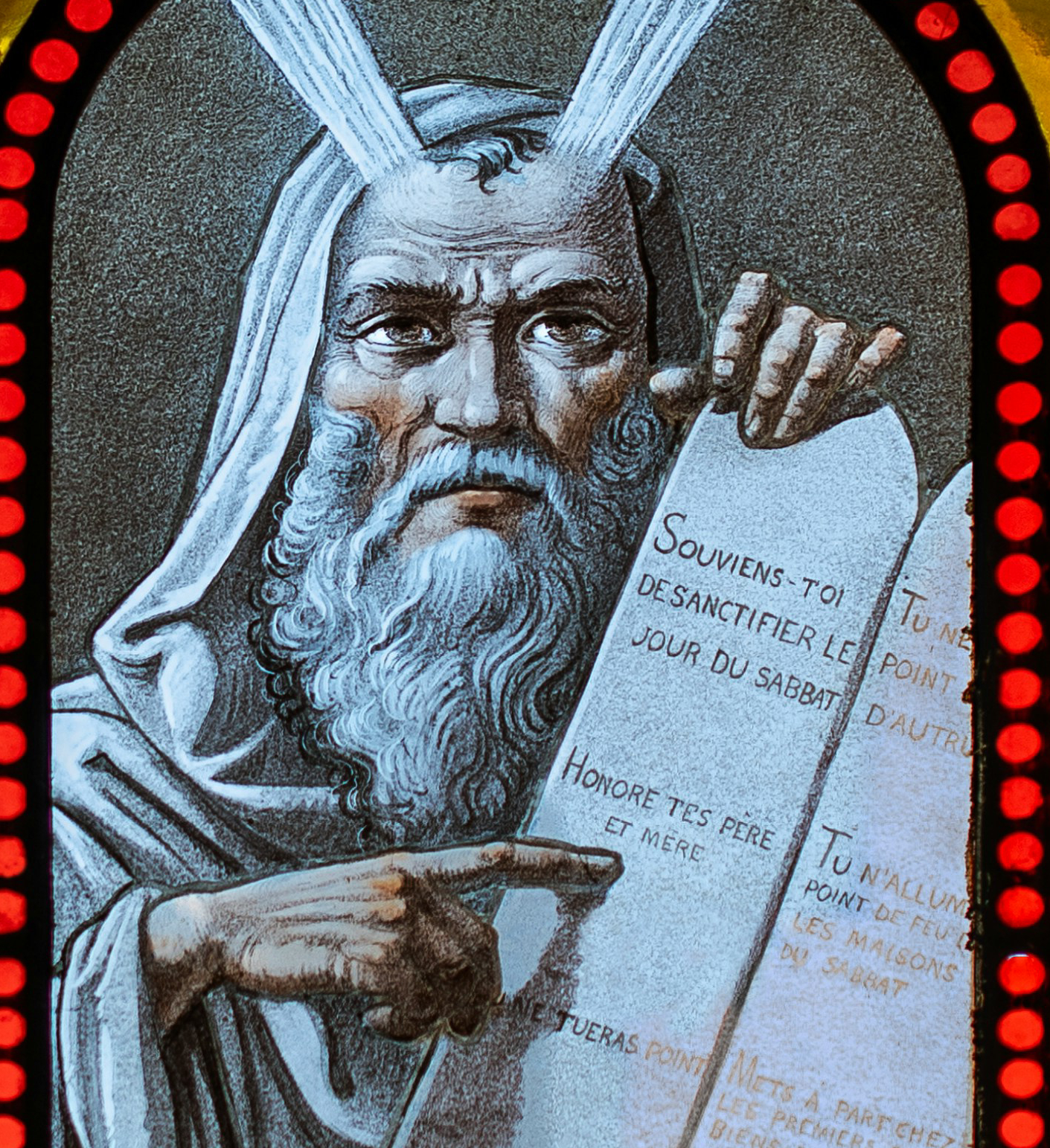
(c. 13th–12th century BCE)
The origin of Kabbalistic wisdom is rooted in Moses’ revelation at Sinai. He provided the foundation for understanding spiritual laws and the inner structure of reality.
Work: The Torah (Five Books of Moses)
2nd Century CE
The Zohar offers mystical commentary on the Torah, revealing the hidden spiritual dimensions of creation and the paths to divine insight.
lWorks:
The Zohar
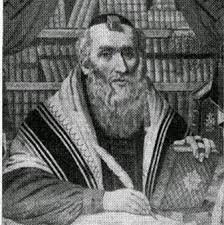
1534–1572
Introduced concepts such as Tzimtzum (divine contraction), Shevirat HaKelim (shattering of the vessels), and Tikkun Olam (repairing the world), shaping the core framework of modern Kabbalah.
Works:
Etz Chaim
(Tree of Life)
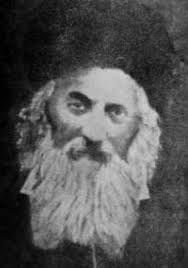
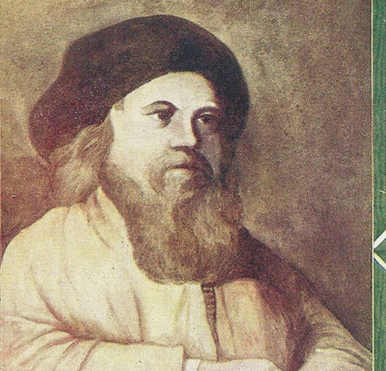
1700–1760
Founder of Hasidism, he emphasized the practical, heartfelt application of Kabbalah. His teachings focus on personal connection to the Divine and the spiritual elevation found in everyday acts.
Works:
Oral teachings preserved through disciples
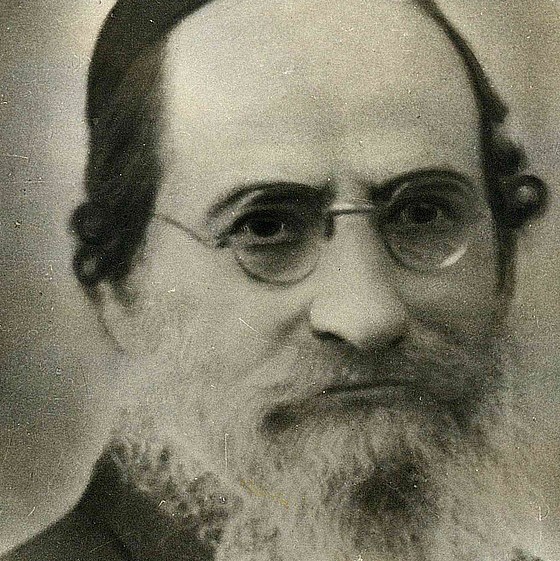
1885–1954
He wrote extensive commentaries on The Zohar and Etz Chaim, adapting Lurianic Kabbalah for modern sincere students. His works are immensely influential in contemporary Kabbalistic study.
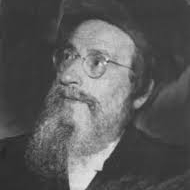
1907-1991
Son and principal student of Yehuda Ashlag. He continued and clarified his father’s teaching method, especially regarding spiritual practice.
Works:
Shamati, Shlavey HaSulam, Dargot HaSulam, Igrot Rabash
Kabbalah is the ancient mystical tradition of Judaism, originating with figures such as Moses. It reveals the hidden order behind the universe, showing how all creation is interconnected and teaching the path by which humanity can discover its origin, true purpose, and connection to the greater whole.
Kabbalah is open to anyone who seeks deeper understanding. It is not limited by age, background, or belief, for it is the science of spirituality itself — the science of life, the science of sciences. It calls those ready to explore the truths beyond the physical world and to cultivate a life guided by insight, purpose, and connection to the greater whole.
Much confusion surrounds the idea of spirituality, but in truth it is no more and no less than the study — the desire to understand the bigger picture. It is not something abstract or “woo-woo”; it is an actual science of life, a science of the unseen laws that govern existence.
The purpose of life is to awaken to our true nature and fulfill our role within the greater system of creation. Kabbalah guides us to understand our potential, overcome ego, and contribute to the unfolding harmony of the world.
The wisdom of Kabbalah stretches back to the time of Moses, who first revealed the hidden laws of creation. Over the centuries, great Kabbalists, from the Ari to Rabash and modern teachers like Michael Laitman, have carried this knowledge forward. Kabbalah is not philosophy or speculation; it is a living science of life, guiding those who seek to understand the deeper order of the universe and our place within it.
The first step is curiosity and the willingness to seek. Through simple practices, study, and reflection, anyone can begin to experience the insights of Kabbalah and apply its principles to everyday life, gradually uncovering the deeper meaning behind existence.